
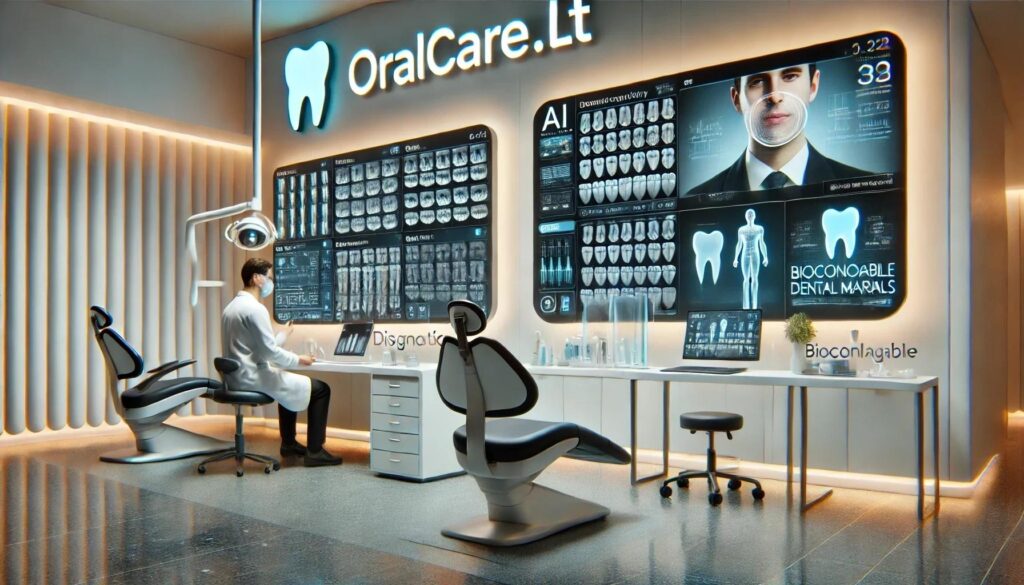
AI and biocompatible materials are revolutionising dental care
2024 has brought many important innovations in dentistry that have fundamentally changed the approach to oral health. Advanced technologies enable dentists to provide patients with personalised and long-term treatment strategies, improving their dental care and overall health.
Artificial intelligence is transforming diagnostics
Artificial intelligence (AI) is one of the most significant technologies currently transforming dentistry. AI
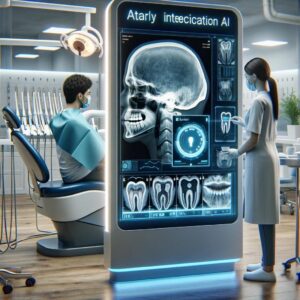
algorithms make it possible to analyse patients’ X-rays and other diagnostic images more accurately, allowing dentists to detect dental problems early, such as tooth decay, gum disease, or even oral cancer. This helps ensure that patients receive early treatment, which is often less invasive and less painful.
In addition, AI not only helps diagnose problems, but also creates personalised treatment plans. These plans are tailored to each patient’s unique needs, taking into account their oral health history, genetic predispositions, and lifestyle. This ensures that treatment is more effective and better suited to the individual patient
Biocompatible materials in dentistry
Another important area of innovation is biocompatible materials, which are becoming increasingly popular in dental practice. These materials are designed to interact naturally with the human body, reducing the risk of allergic reactions and other unwanted effects. Biocompatible materials are used for dental implants, prosthetics, and fillings, and their aesthetics and functionality continue to improve over time.
These materials are also highly durable and corrosion-resistant, meaning patients can enjoy their dental restorations for longer. In addition, such innovations help dentists ensure longer-lasting results, while providing a natural and aesthetically pleasing appearance.
Teledentistry and remote consultations
Modern technologies not only help dentists improve diagnostic and treatment processes, but also change the patient experience itself. One of the most important innovations is teledentistry. This allows patients to receive remote consultations with dentists using video conferencing and digital images. Teledentistry is especially useful in areas where access to dental services is limited.
Teledentistry helps not only with consultations with specialists, but also with carrying out certain diagnostic procedures remotely, reducing the need for in-person visits to the clinic. This is not only convenient for patients, but also ensures effective dental health management even in challenging circumstances, such as during a pandemic or other public health crisis.
Cosmetic dentistry with a natural touch
Another important trend is cosmetic dentistry, which is increasingly focused on a natural-looking result. Whereas in the past many patients sought perfect “Hollywood smiles”, now many want to maintain the natural look of their teeth, making only gentle improvements to their aesthetics. This may include minor teeth straightening, colour corrections, or a subtle smile refresh using understated cosmetic solutions.
Cosmetic dentistry is becoming more focused on ensuring that teeth look natural yet are healthy and beautiful, and that treatment results last for many years.
Future outlook: how dentistry is changing
In 2024, dentistry is becoming inseparable from new technologies and innovative solutions. Artificial intelligence, biocompatible materials, and teledentistry are just some of the trends transforming modern oral care. These technologies help not only to ensure more effective dental care, but also improve the patient experience and encourage a healthier lifestyle.
Thanks to these innovations, dentistry is entering a new era in which patients can expect not only more effective treatment, but also individually tailored solutions that meet their health needs and aesthetic expectations.